The Beginning
A Dutch Family Sensitive to Andalusian Legacies
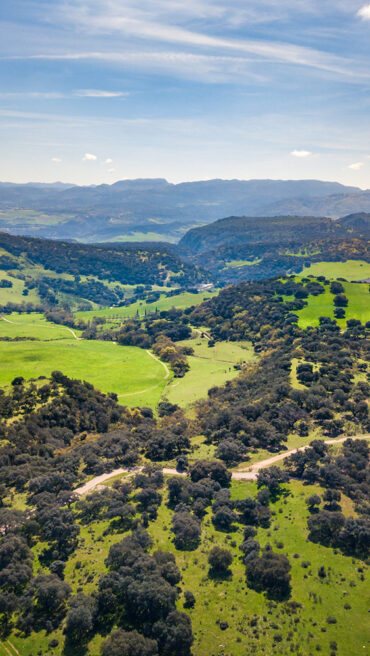
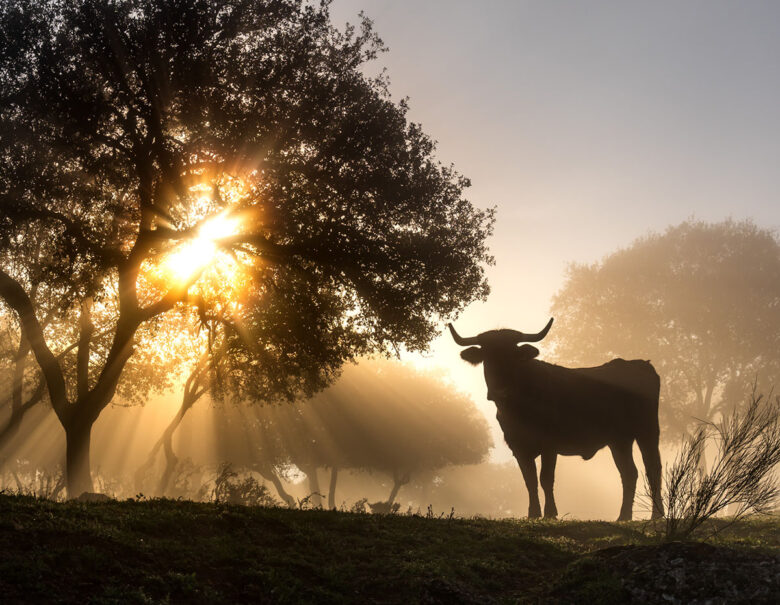
Klaas Mesdag, a Dutchman who moved to Spain in the 1950s, bought El Hondon with his wife, Saskia, in 1983. Saskia, a well-respected Pura Raza Española judge, needed more space to breed Andalusian horses. The couple was familiar with the countryside surrounding Ronda having partaken in a number of horse treks in the area. The farm had been mismanaged by its previous proprietor and, where not under plough, was suffering from over grazing by goats. The hacienda was largely in ruins.
The Cattle
How the Retinta Came to El Hondon
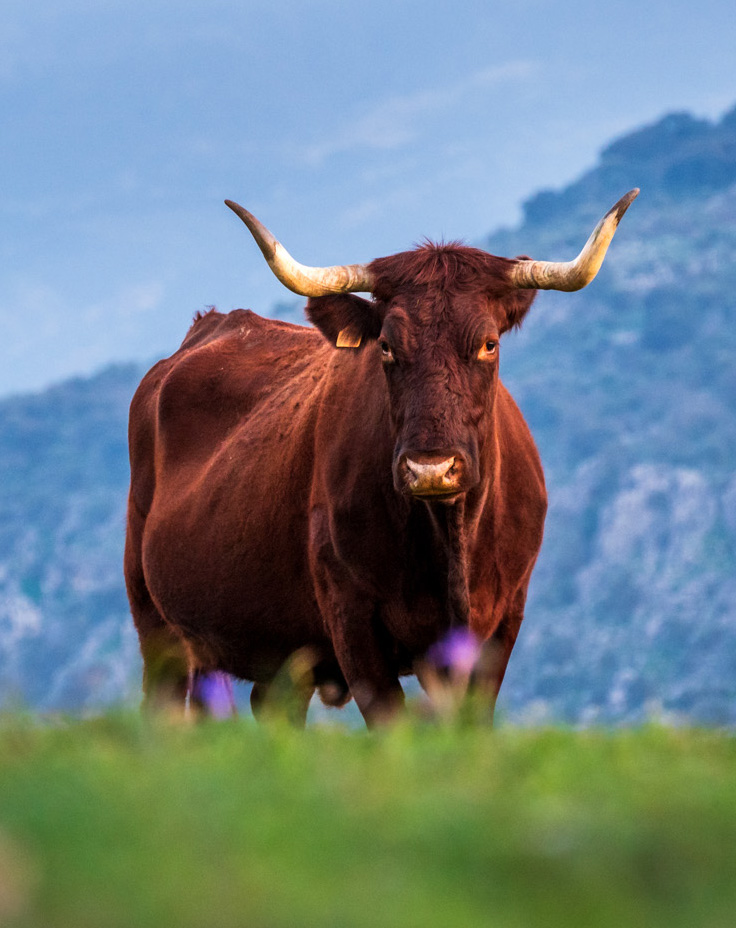
Klaas and Saskia realised that with the 14 Andalusian horses they would need another grazing animal to maintain and enrich the 300-hectare farm. Already dedicated breeders of Spanish water dogs known as turcos and Spanish bantam chickens, the family decided upon a native breed of cattle, one that was in danger of being lost due to cross-breeding: the Retinta.
The Retinta cow
An Icon of Andalusia
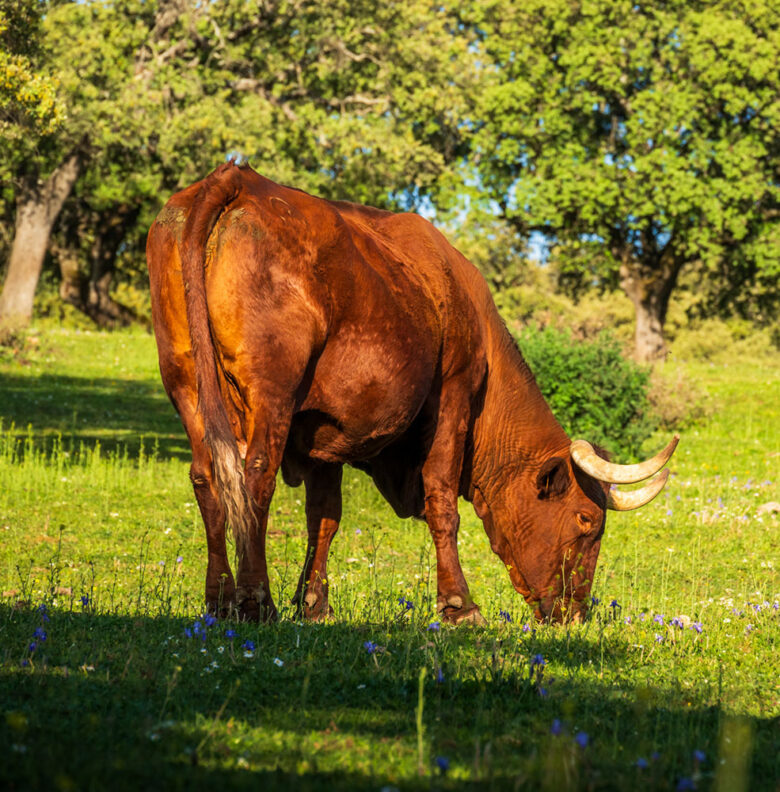
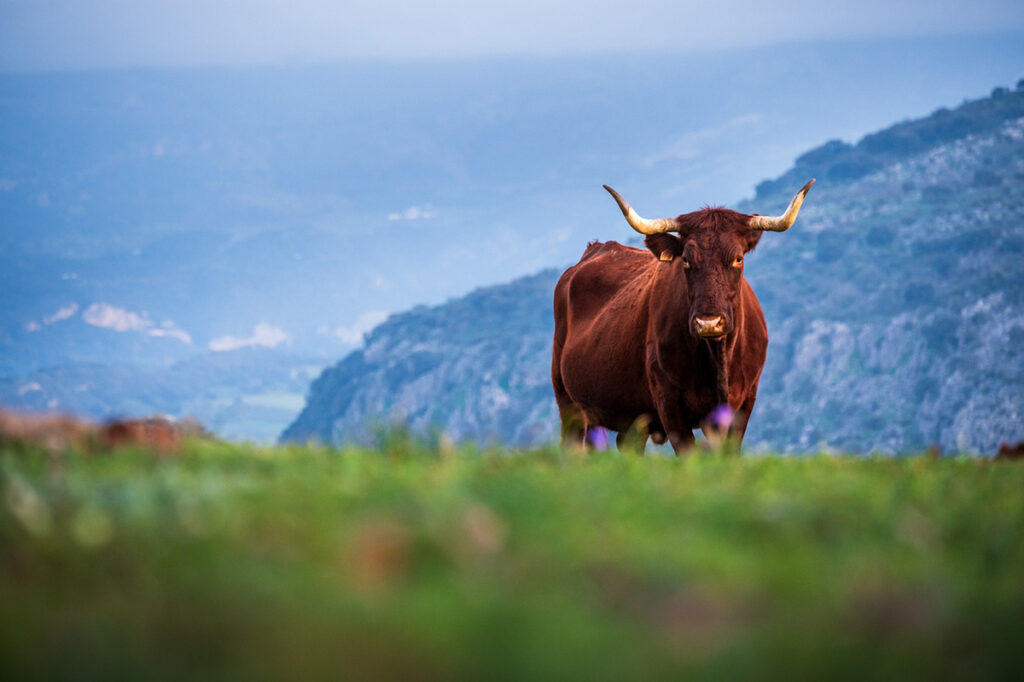
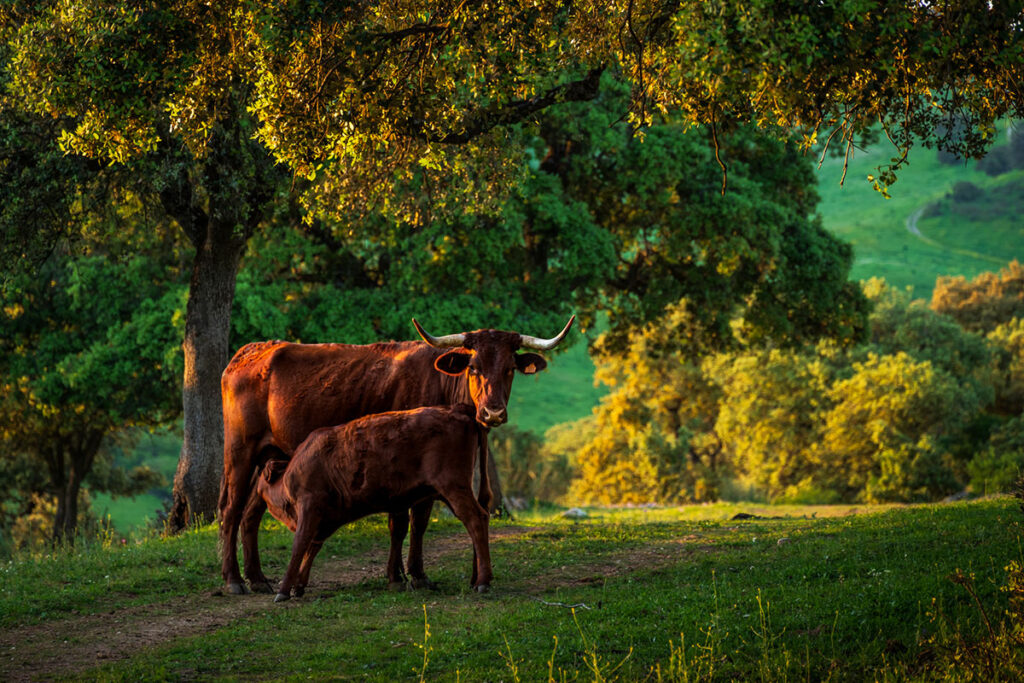
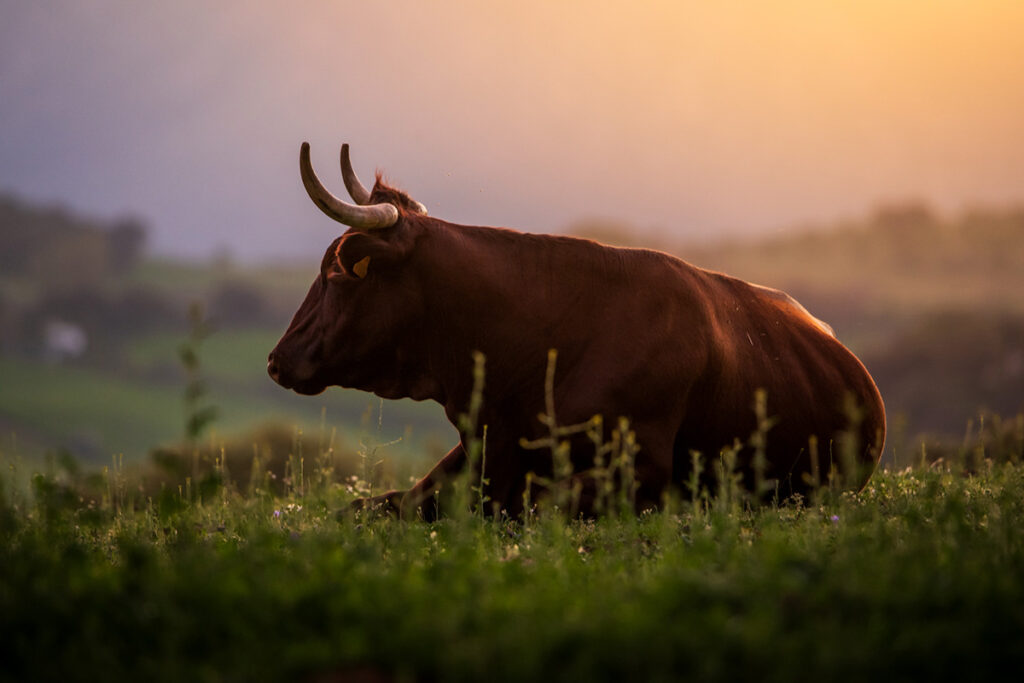
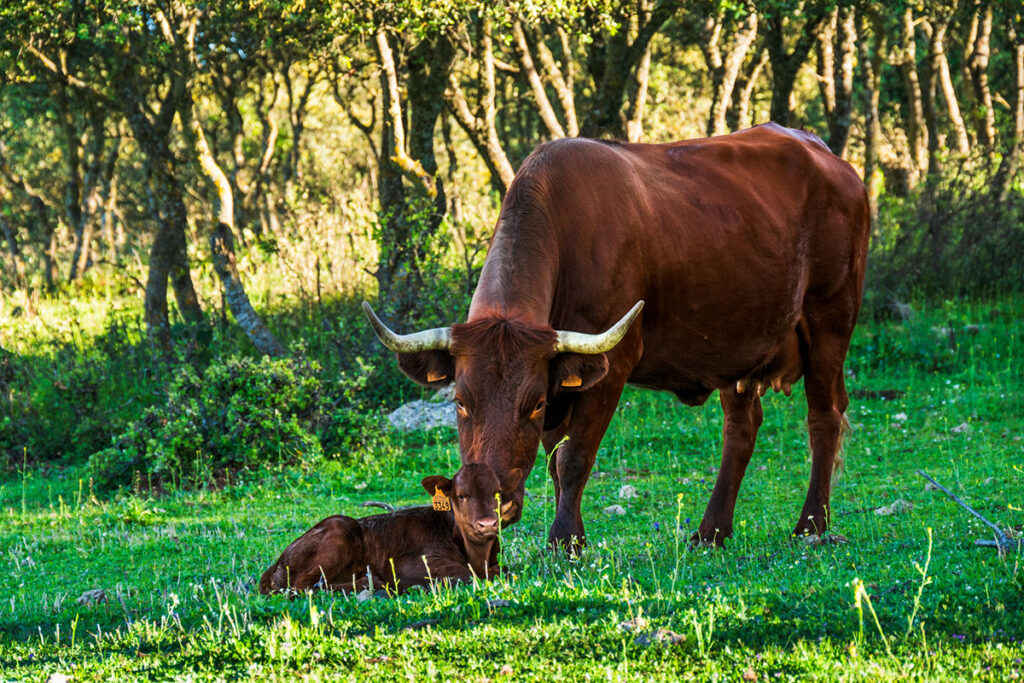
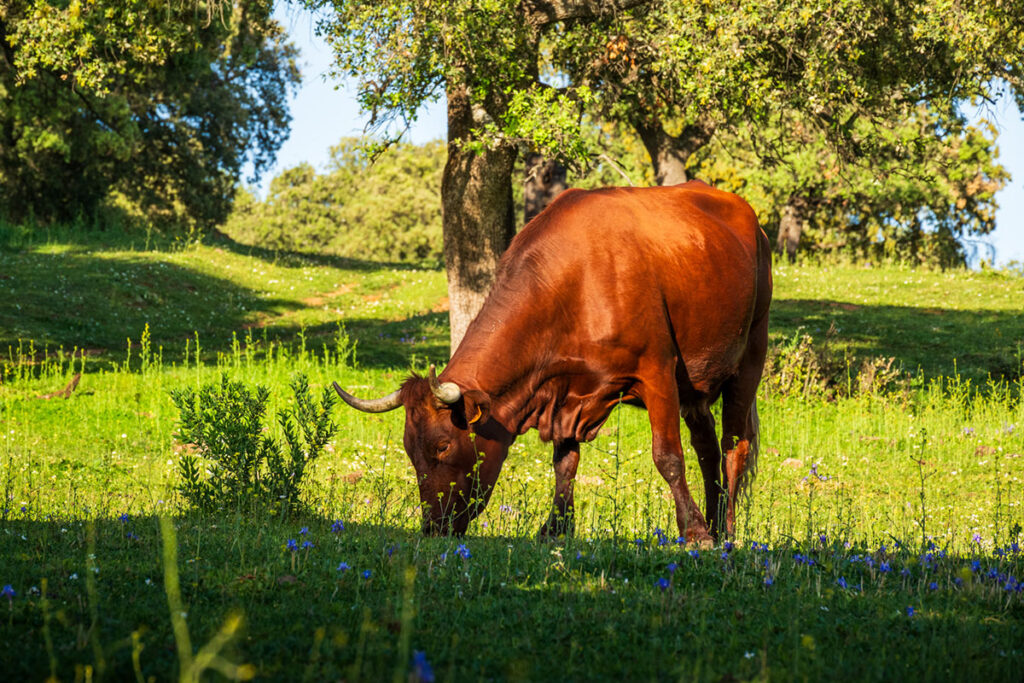
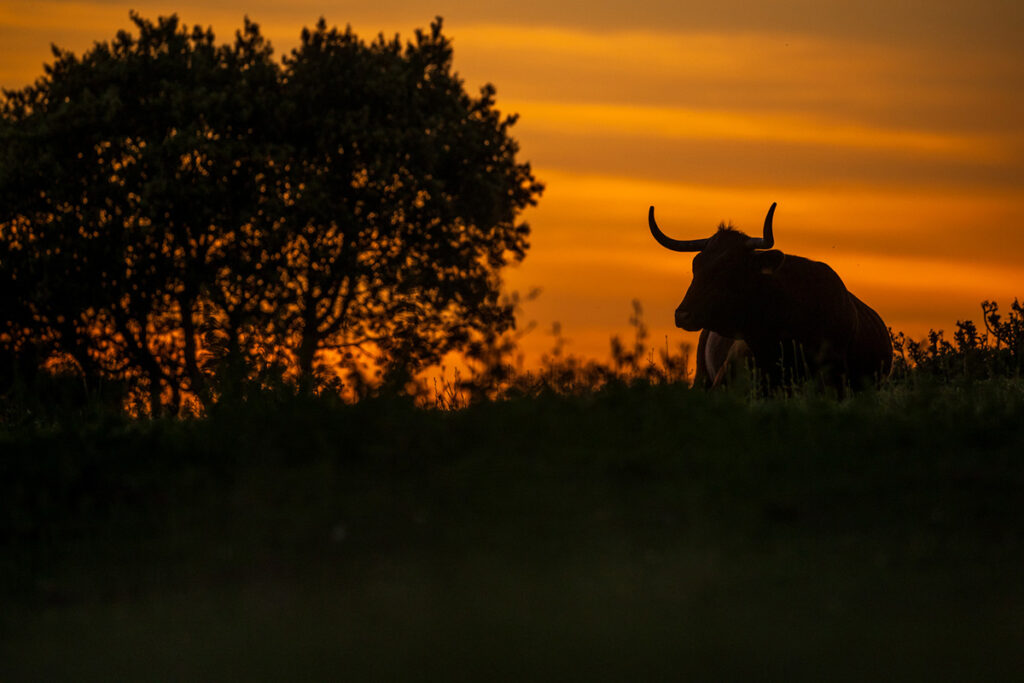
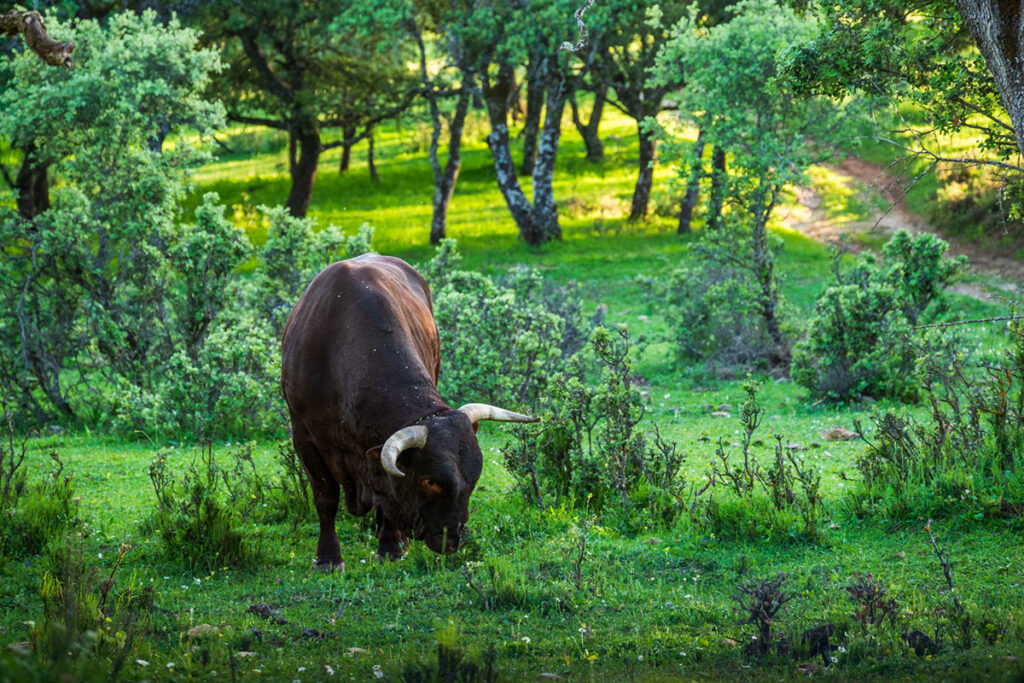
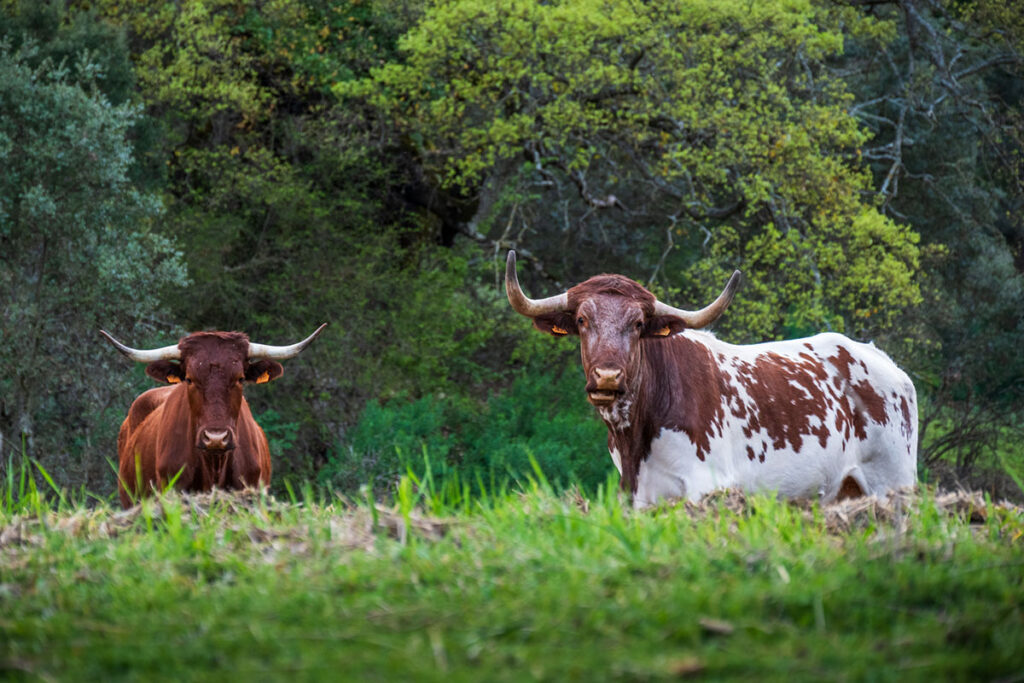
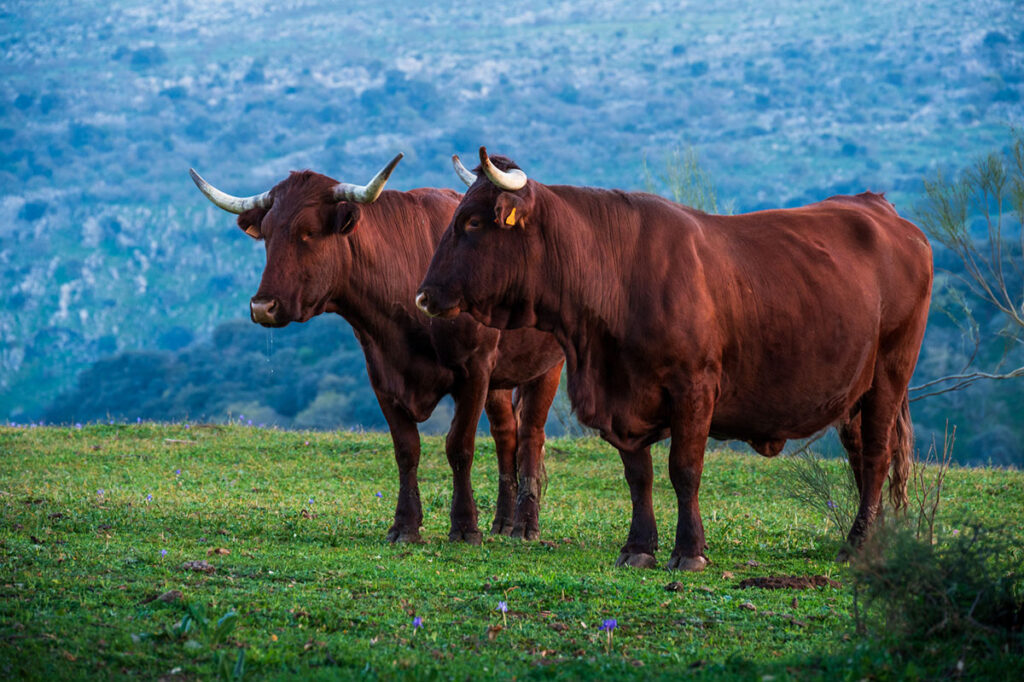
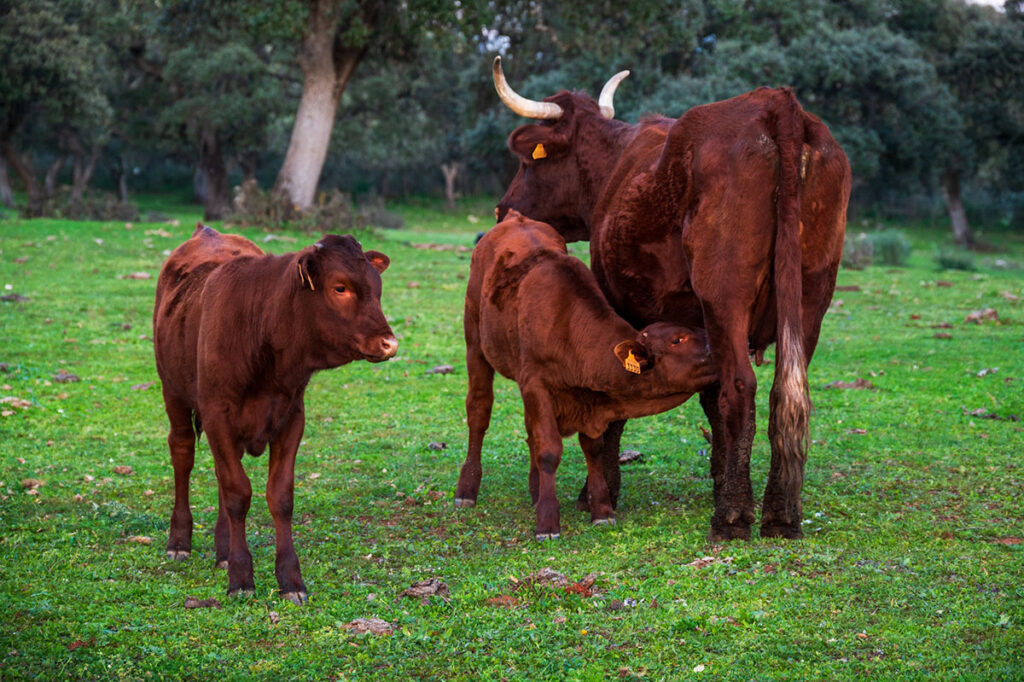
The Retinta cow, a local breed from the southern half of the Iberian Peninsula, is deeply rooted in the history of both the land and culture of Andalusia. Its distinctive red skin and long, piercing horns have been part of the landscape for time immemorial; cattle of this type is alluded to in Visigoth, Arab and Spanish sources. For centuries, the breed accustomed to the harsh weather conditions of the Andalusian hills, where temperatures can rise above 40C and drop below 10C, had three uses: for meat, milk and plough. But by the time the Mesdags came across the Retinta, the breed in its purest form was disappearing; breeders were crossing it to increase its meat capacity.
The taming
Breeding out the Wildness
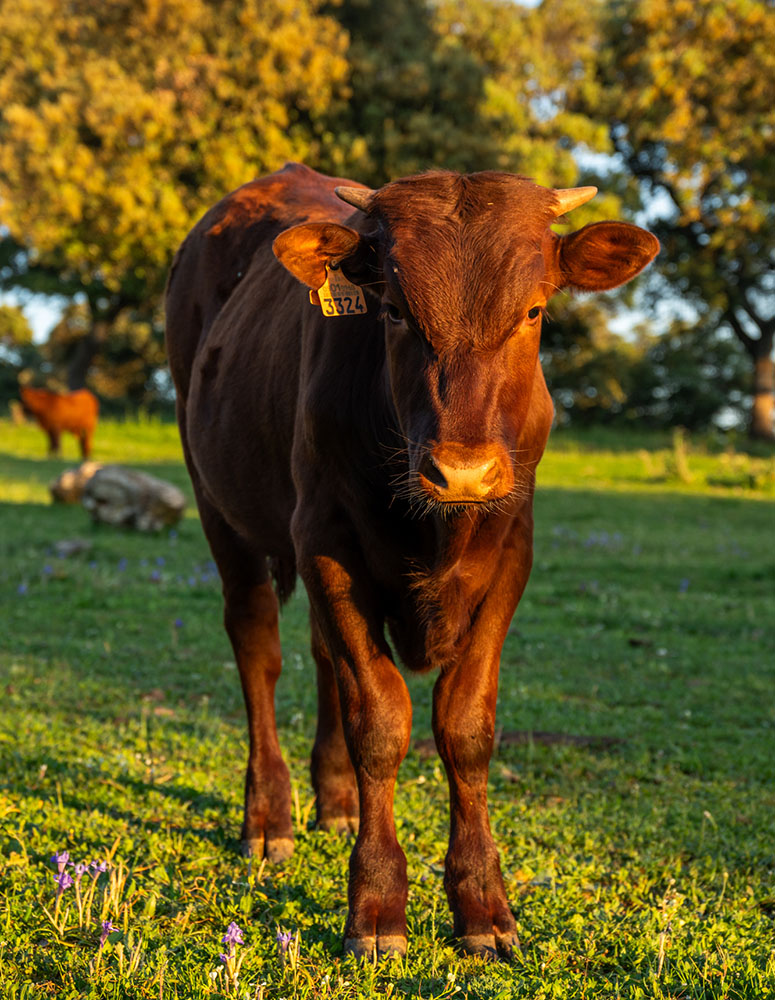
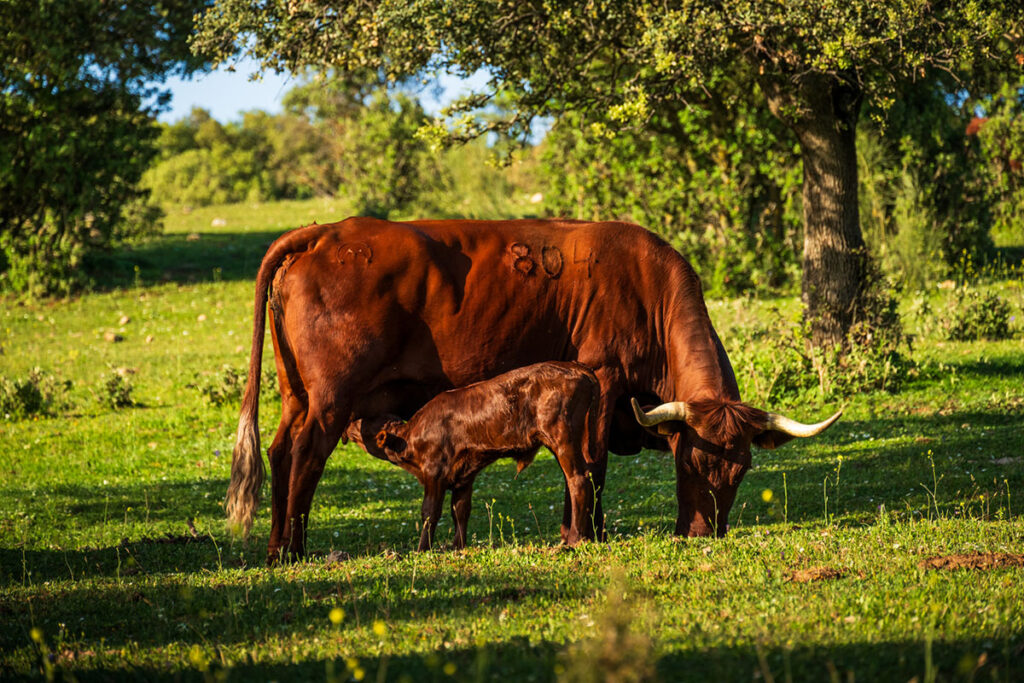
Though competent horse breeders, Klaas and Saskia had never reared cattle and in the years following their first purchase of cattle in 1985 they suffered setbacks. But learning from trial and error, the couple began hand-picking stock from breeders of strong lineage like Finca las Lomas of Mora Figueroa and Aranda De Carranza. The family soon realised that the animals were too dangerous in their current form. Through breeding, the Mesdags reduced the length of the horns and created a less aggressive disposition so that the cows could be cared for from the ground rather than herded on horseback. Today, the herd is tame enough that the cattle can be called into corrals for check-ups.
The Herd
The El Hondon Herd Today
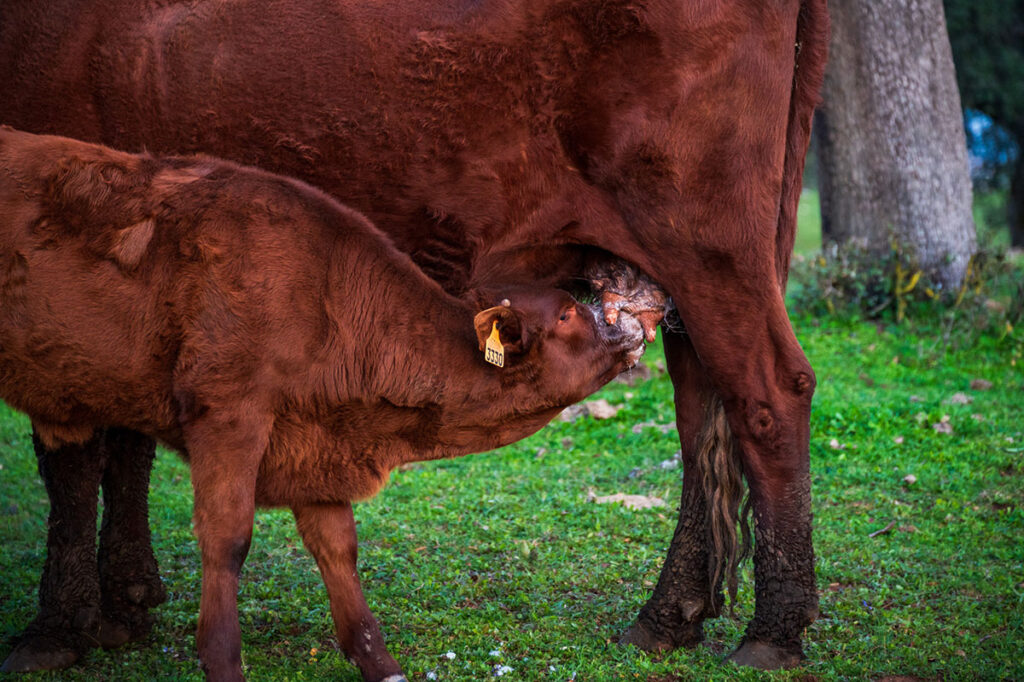
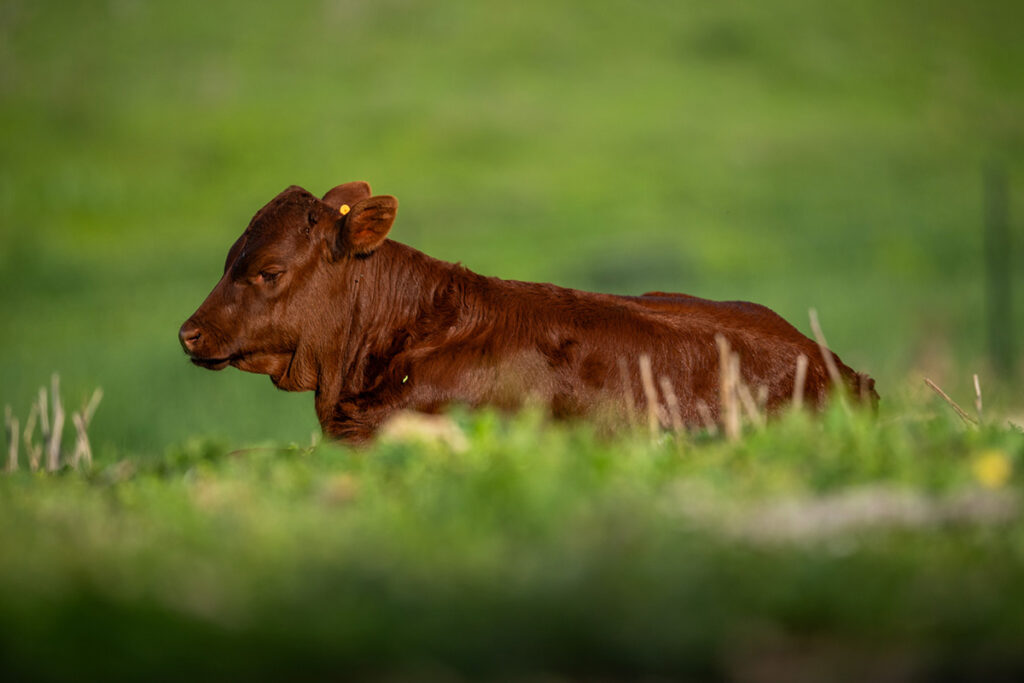
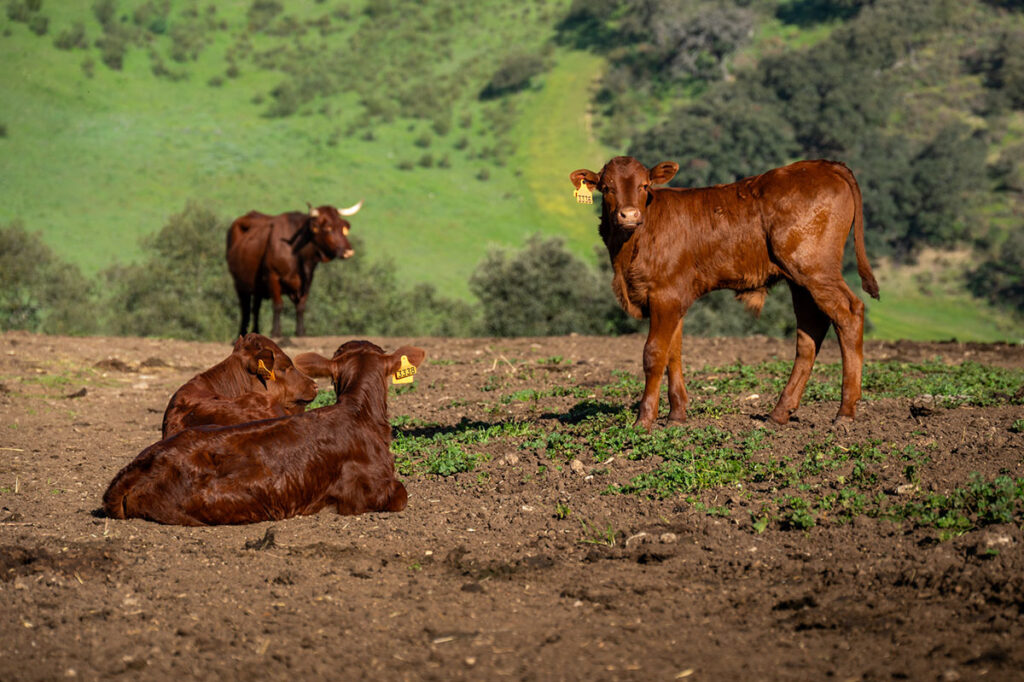
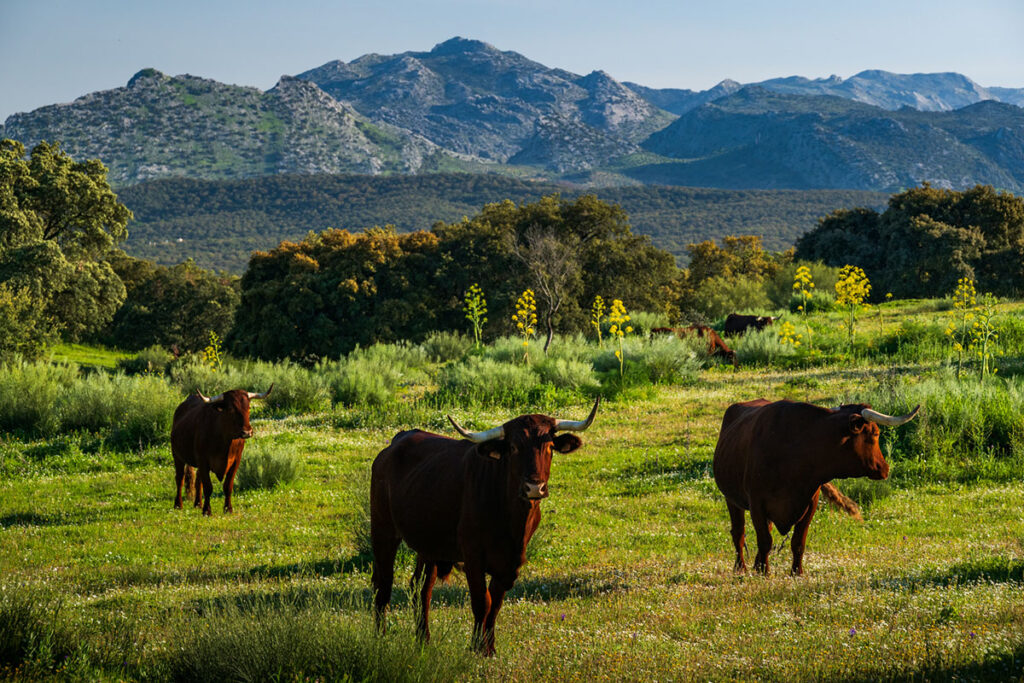
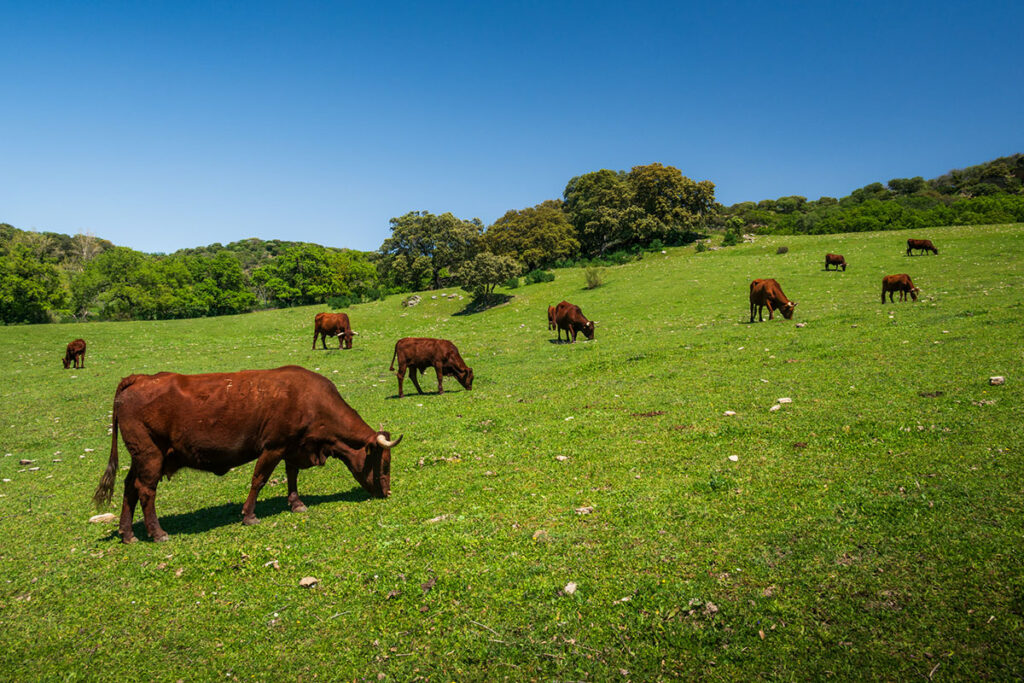
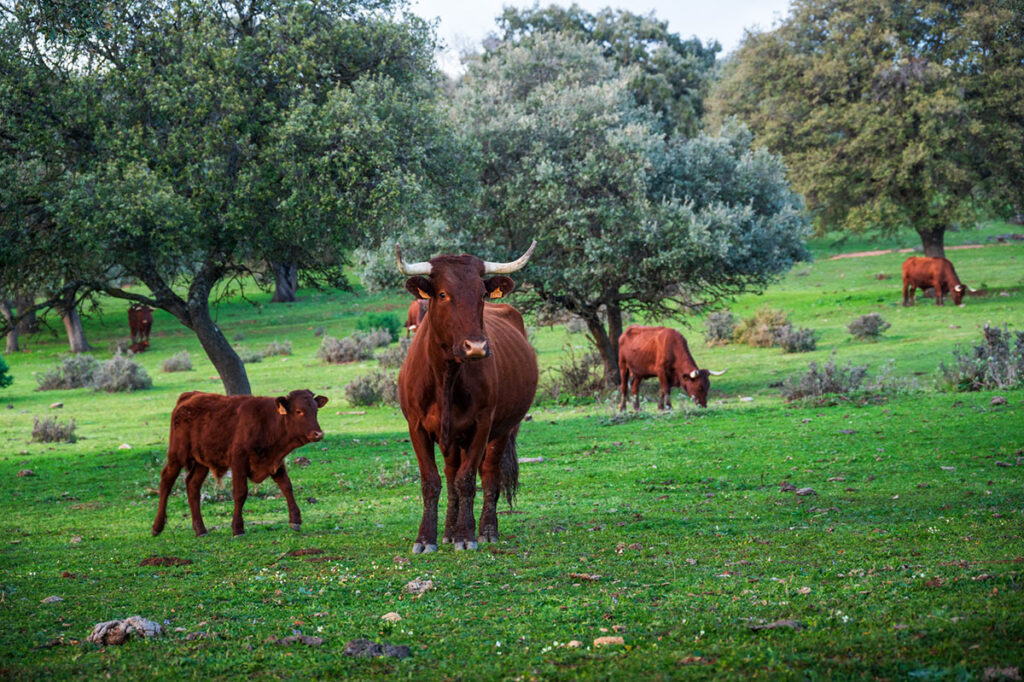
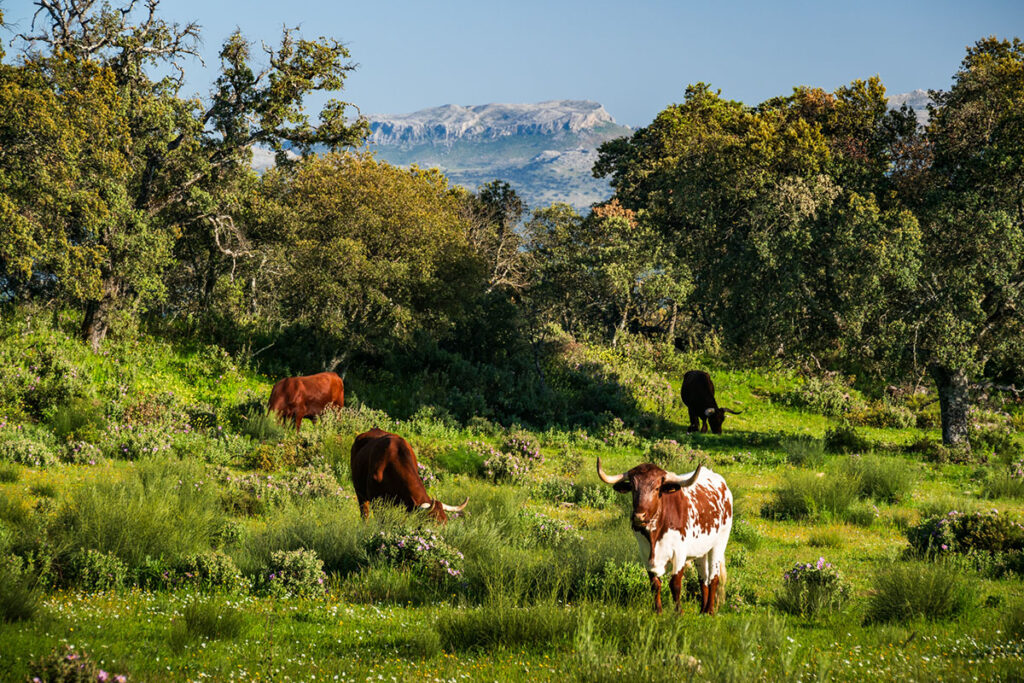
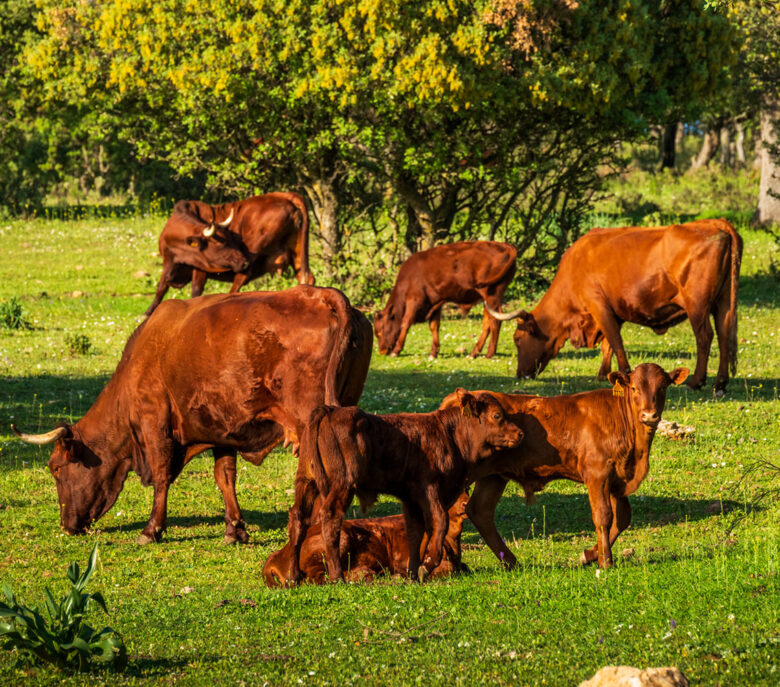
Over the four decades since the Mesdags first began breeding the Retinta, the care they have taken has earned them the reputation of breeding beasts of great quality. Alongside twelve other prestigious breeders, Klaas was among the first to set up the Association of Retintas, an organisation that seeks to promote the breed. The herd today fluctuates between 100 and 150 (a deliberately low number for the land to ensure that the cattle are well-fed, year-round), the majority of them cows and calves. Cows are sold to other breeders as livestock and bulls are sold for meat. Old breeding bulls, meanwhile, are trained to pull carriages – one can see the hacienda’s bulls pull in the El Rocio pilgrimage.
The hacienda’s land has not been ploughed since 1985, so the pasture is natural. Cows are fed exclusively on what is grown on the farm, feasting on acorns (much like the pigs of Serrano ham) in the winter. And though it gets extremely cold in the winter and the farm is sometimes under snow, the Retinta, including calves, remain fit in the field due to their hardiness.
The hacienda’s land has not been ploughed since 1985, so the pasture is natural. Cows are fed exclusively on what is grown on the farm, feasting on acorns (much like the pigs of Serrano ham) in the winter. And though it gets extremely cold in the winter and the farm is sometimes under snow, the Retinta, including calves, remain fit in the field due to their hardiness.